10 Which of the Following Is Not a Membrane-disrupting Toxin
C polypeptide B would not be able to enter the cells. A for activity and B for binding.

Jof Free Full Text A Comprehensive Insight Into Fungal Enzymes Structure Classification And Their Role In Mankind Rsquo S Challenges Html
The molecular mechanism of the local hypersensitivity reactions to wasp venom including dermal necrosis remains an enigma regardless of the numerosity of the reported cases.

. Explanation- Toxin is poisonous substances produced by microorganisms. Cytopathic effects are changes in host cells due to A Viral infections. Tetanus toxin tetanospasmin is a neurotoxin that blocks the production of the inhibitory neurotransmitter glycine.
Microbial Mechanisms of PathogenicityMULTIPLE CHOICE. C Mucous membranes of the respiratory tract. A superantigen that damages capillaries and results in a characteristic rash Vibrio enterotoxin.
The B component is responsible for the cellular specificity of the. E Vibrio would bind to target cells. D Cell walls.
According to earlier research a novel membrane disrupting toxin identified in Vespa mandaria venom can cause intense pain dermal necrosis edema. 31 Cholera toxin polypeptide A binds to surface gangliosides on target cells. 12 All of the following are methods of avoiding host antibodies EXCEPT A antigenic changes.
A membrane-disrupting toxin is toxin that affect the cell membrane. Which of the following is NOT a membrane-disrupting toxin. Botulinum toxin is a neurotoxin that is considered to be one of the most toxic compounds.
E Vibrio would bind to target cells. B Protozoan and helminthic infections. A leukocidin B streptolysin S C streptolysin O D A-B toxin E hemolysin.
B polypeptide A would enter the cells. Cholera toxin polypeptide A binds to surface gangliosides on target cells. If the gangliosides were removed A polypeptide A would bind to target cells.
Membrane - disrupting toxins. The intracellular targeting toxins comprise two components. Streptolysin S streptolysin O A-B toxin hemolysin leukocidin.
An A-B neurotoxin that causes uncontrollable muscle contractions. Intracellular targeting membrane disrupting and superantigens. Previous question Next question.
Membrane- disrupting toxins are regarded as exotoxins. Which of the following is NOT a membrane-disrupting toxin. Alpha-Haemolysin is a protein toxin 107 kDa secreted by some pathogenic strains of E.
A superantigen that destroys epithelial cells hemolysins. Which of the following toxins does NOT match the description. Two types of membrane-disrupting exotoxins are hemolysins and leukocidins which form pores in cell membranes causing leakage of the cytoplasmic contents and cell lysis.
If the gangliosides were removed A polypeptide A would bind to target cells. This paper describes the mechanism of alpha-haemolysin-induced membrane leakage from experiments in which extrusion la. Choose the one alternative that best completes the statement or answers the question1The most frequently used portal of entry for pathogens is the.
Thus these types of toxins are known as A-B exotoxins Figure 1110. A A-B toxin B Hemolysin C Leukocidin D Streptolysin O E Streptolysin S. B polypeptide A would enter the cells.
Examples are leukocidin and hemolysin which their effects cause leakages of the cytoplasmic content and lysis of the cell. C polypeptide B would not be able to enter the cells. Which of the following is NOT a membrane-disrupting toxin.
A A-B toxin B Hemolysin C Leukocidin D Streptolysin O E Streptolysin S A. D Vibrio would not produce cholera toxin. Streptolysino O A-B toxin Leukocidin Hemolysin Streptolysin s.
12 All of the following are methods of avoiding host antibodies EXCEPT 12 A invasins. View the full answer. D Vibrio would not produce cholera toxin.
B Mucous membranes of the gastrointestinal tract. Membrane-disrupting toxins that destroy erythrocytes tetanus toxin. Cytopathic effects are changes in host cells due to A Viral infections.
The exotoxins can be grouped into three categories based on their target. In this study we discovered a new membrane disrupting toxin VESCP-M2 responsible for tissue damage symptoms following Vespa mandarinia envenomation. A leukocidin B streptolysin S C streptolysin O D hemolysin E A-B toxin.
10 Cytopathic effects are changes in host cells due to A helminthic infections. 11 A metabolic products Btoxins C allergic response of the host D cell walls E capsules Answer. E Cytopathic effects are changes in host cells due to A viral infections.
Which of the following is NOT a membrane-disrupting toxin. The symptoms against fungal infection are generated as a result of secretion of certain toxic compounds capsules and metabolic processes. The effect of its secretion could be by interrupting the phospholipid layer or through pores formation on the membrane.
B metabolic products C cell walls D allergic response of the host E toxins 12 All of the following are methods of avoiding host antibodies EXCEPT 12 _____ A inducing endocytosis. Please use one of the following formats to cite this article in your essay paper or report. Clostridium tetani produce this toxin.
Which of the following is NOT a membrane-disrupting toxin. It binds to mammalian cell membranes disrupting cellular activities and lysing cells. Determining Membrane Disrupting Protein Mechanisms Using Polarized FTIR.
11Which of the following does NOT contribute to the symptoms of a fungal disease. Membrane-disrupting toxins affect cell membrane function either by forming pores or by disrupting the phospholipid bilayer in host cell membranes. The right answer is A-B toxin.
D membrane - disrupting toxins. This toxin causes muscle spasms and spastic paralysis. 13 Siderophores are bacterial proteins that compete with the hosts 13 A antibodies.
Which of the following is not a membrane-disrupting toxin. A-B toxin is a receptor.
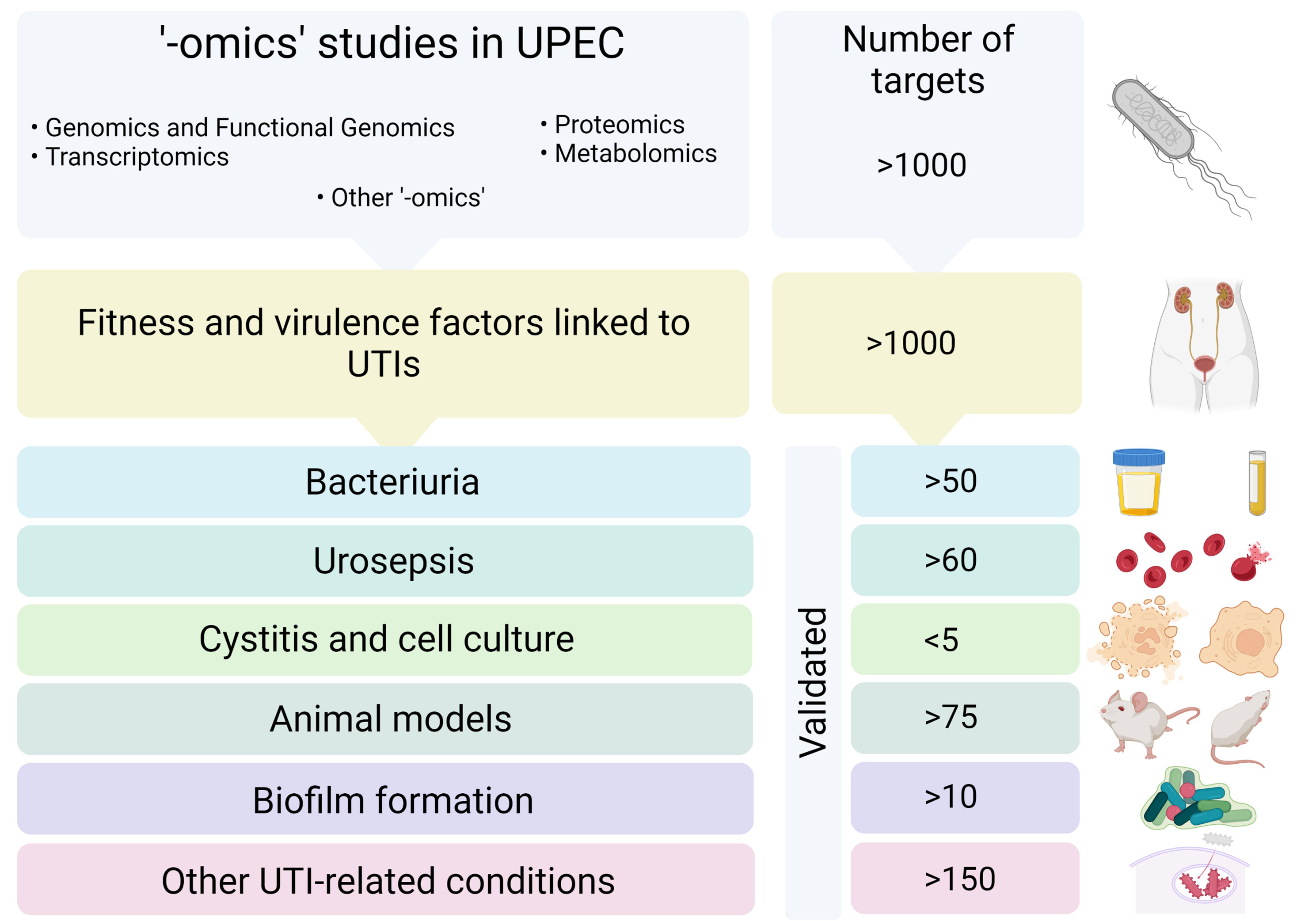
Frontiers Omics Technologies What Have They Told Us About Uropathogenic Escherichia Coli Fitness And Virulence During Urinary Tract Infection Cellular And Infection Microbiology

Pin On Bacteria
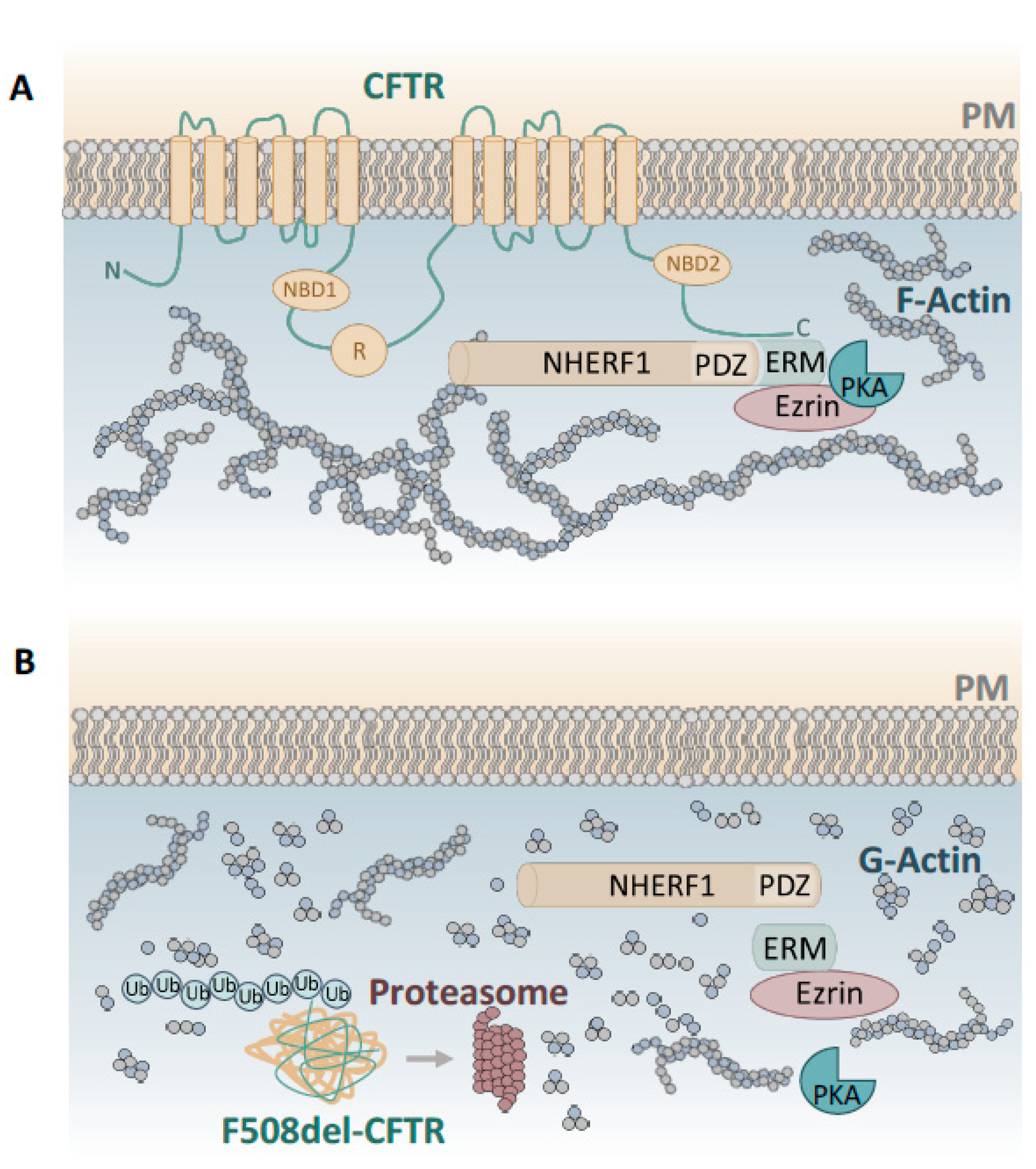
Ijms Free Full Text Cftr Cell Junctions And The Cytoskeleton Html
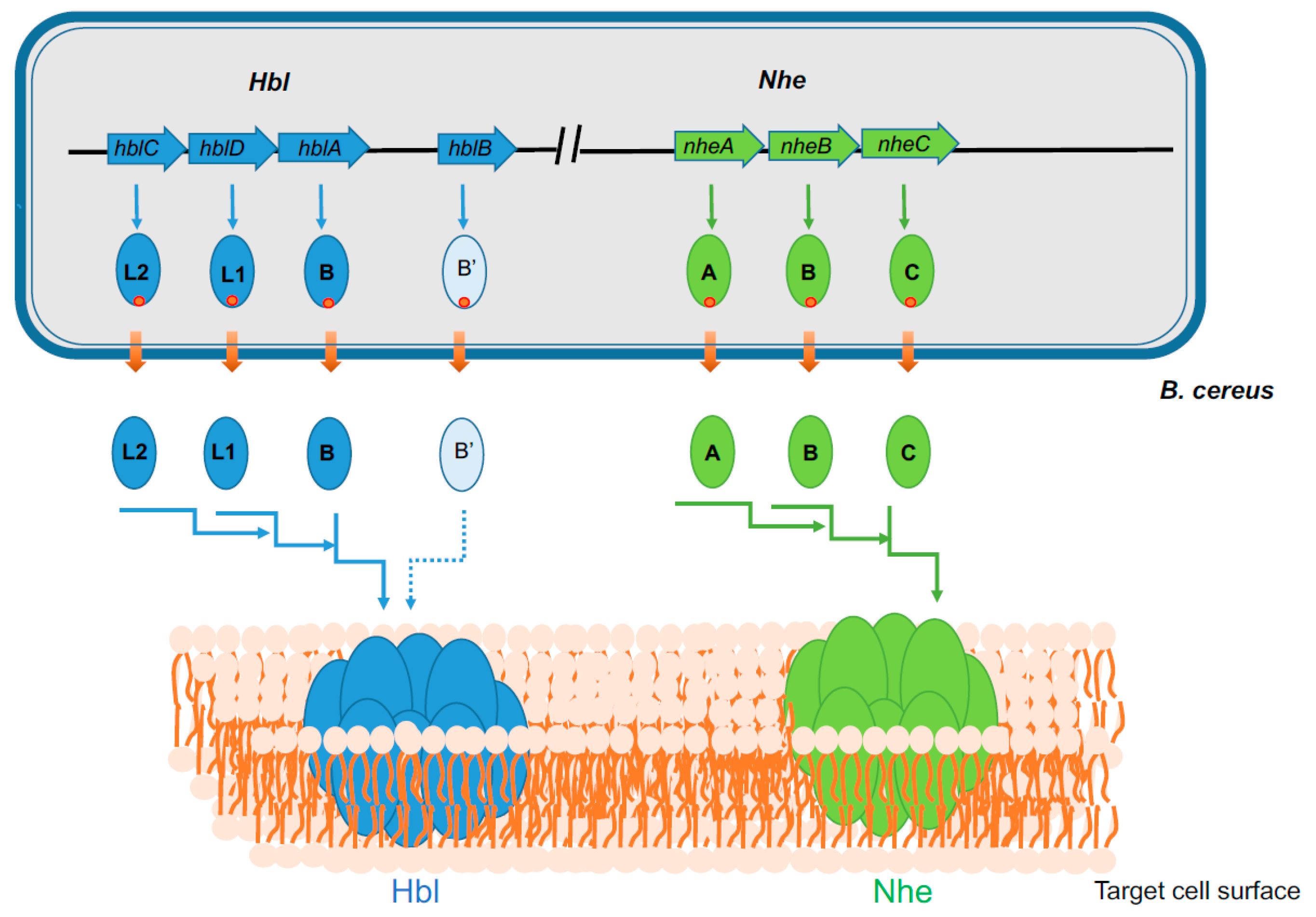
Toxins Free Full Text Advanced Proteomics As A Powerful Tool For Studying Toxins Of Human Bacterial Pathogens Html
Food That Reduces Inflammation Transformelle Muscle Inflammation Reduce Inflammation Rheumatic Diseases

Pin On How Do I Get Healthy

Polymers Free Full Text Essential Oil Containing Polysaccharide Based Edible Films And Coatings For Food Security Applications Html

Nanotechnology Applications Nanotechnology Cosmetic Materials Nano Science
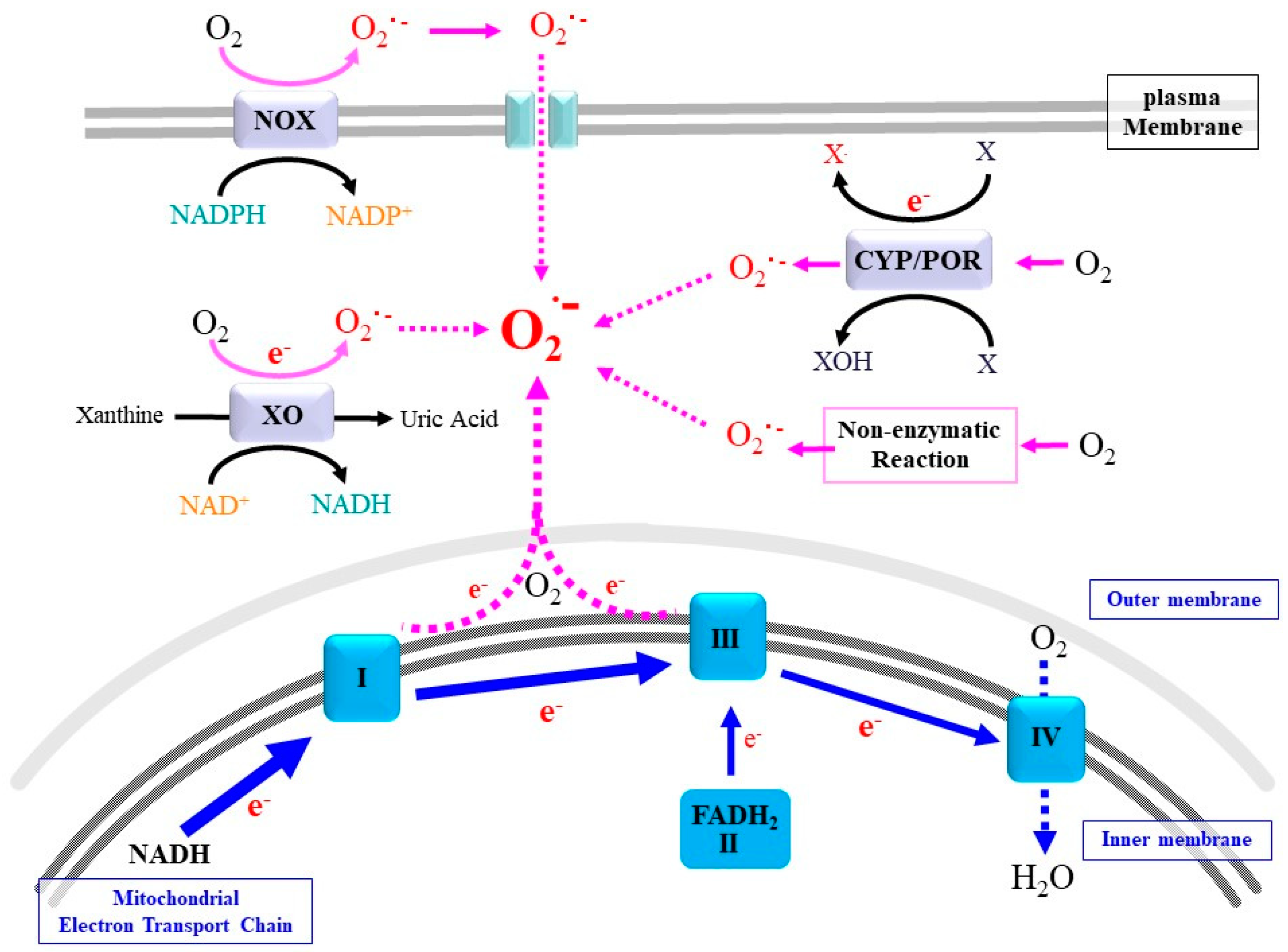
Antioxidants Free Full Text Superoxide Radicals In The Execution Of Cell Death Html
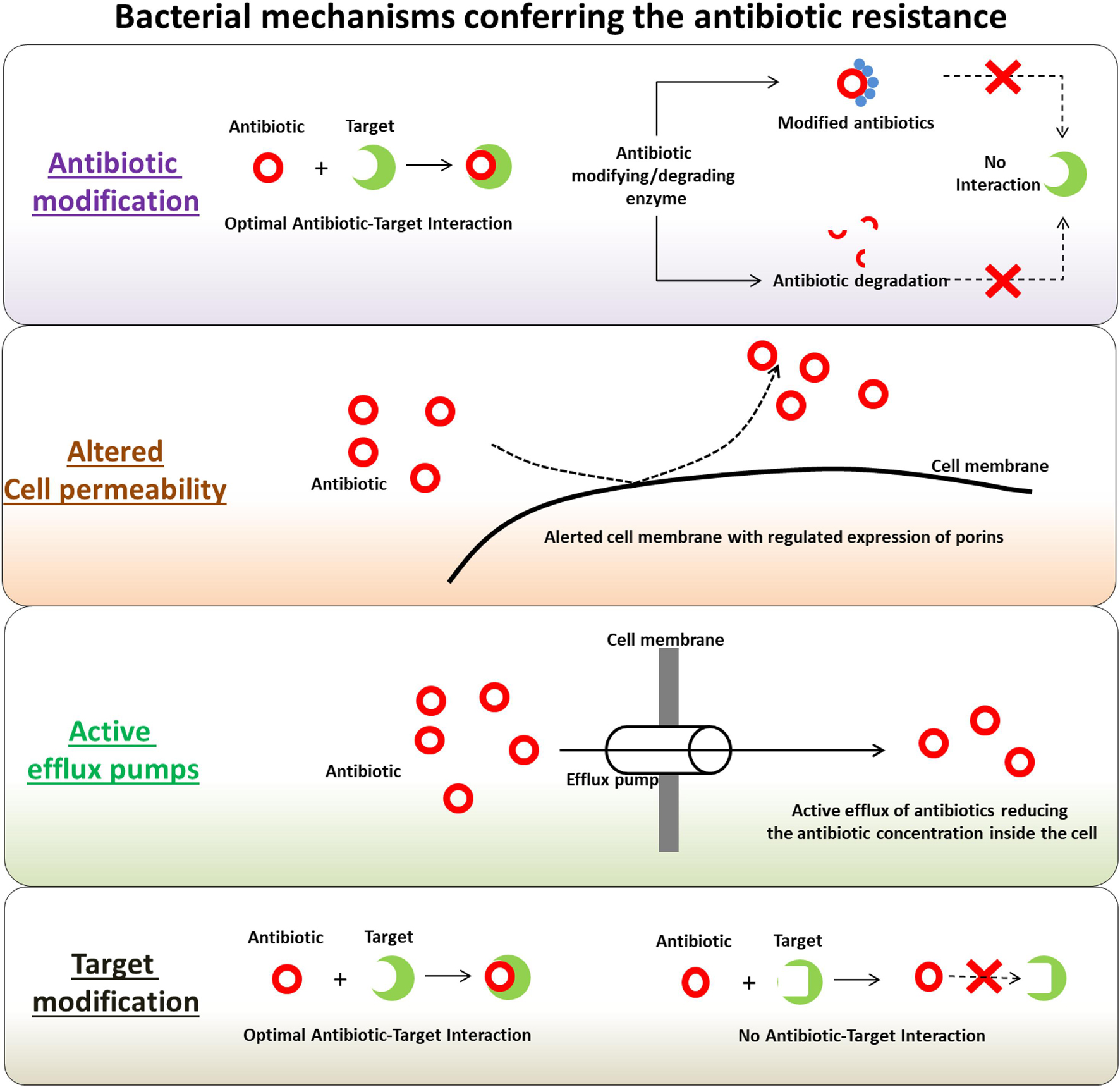
Frontiers Combating Drug Resistant Bacteria Using Photothermally Active Nanomaterials A Perspective Review Microbiology

Candida Parapsilosis Wet Mount Microscopy Candida Candidaparapsilosis Microbiology Microscopy Yeast Microscopy Microbiology Candida
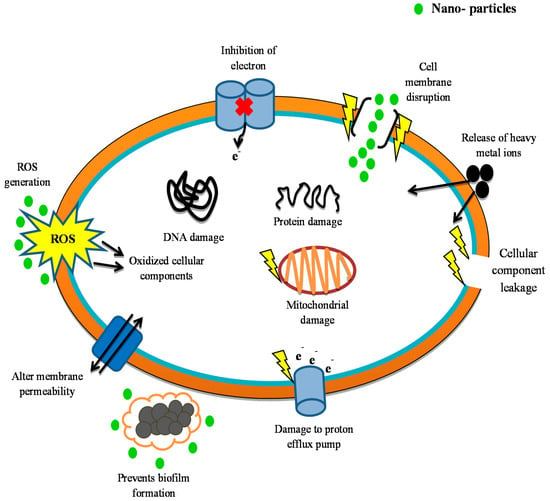
Antibiotics Free Full Text Nanotechnology As A Novel Approach In Combating Microbes Providing An Alternative To Antibiotics Html

Blue Gene Gene Background Images Blue

Klebsiella Pneumoniae Colonies On Macconkey Agar Isolated From Urine Sample Of A 30 Year Female Patient Iraq Baghdad Iraq Microbiology Klebsiella Pneumoniae

Medical Laboratory And Biomedical Science Leptospirosis Biomedical Science Medical Laboratory Biomedical
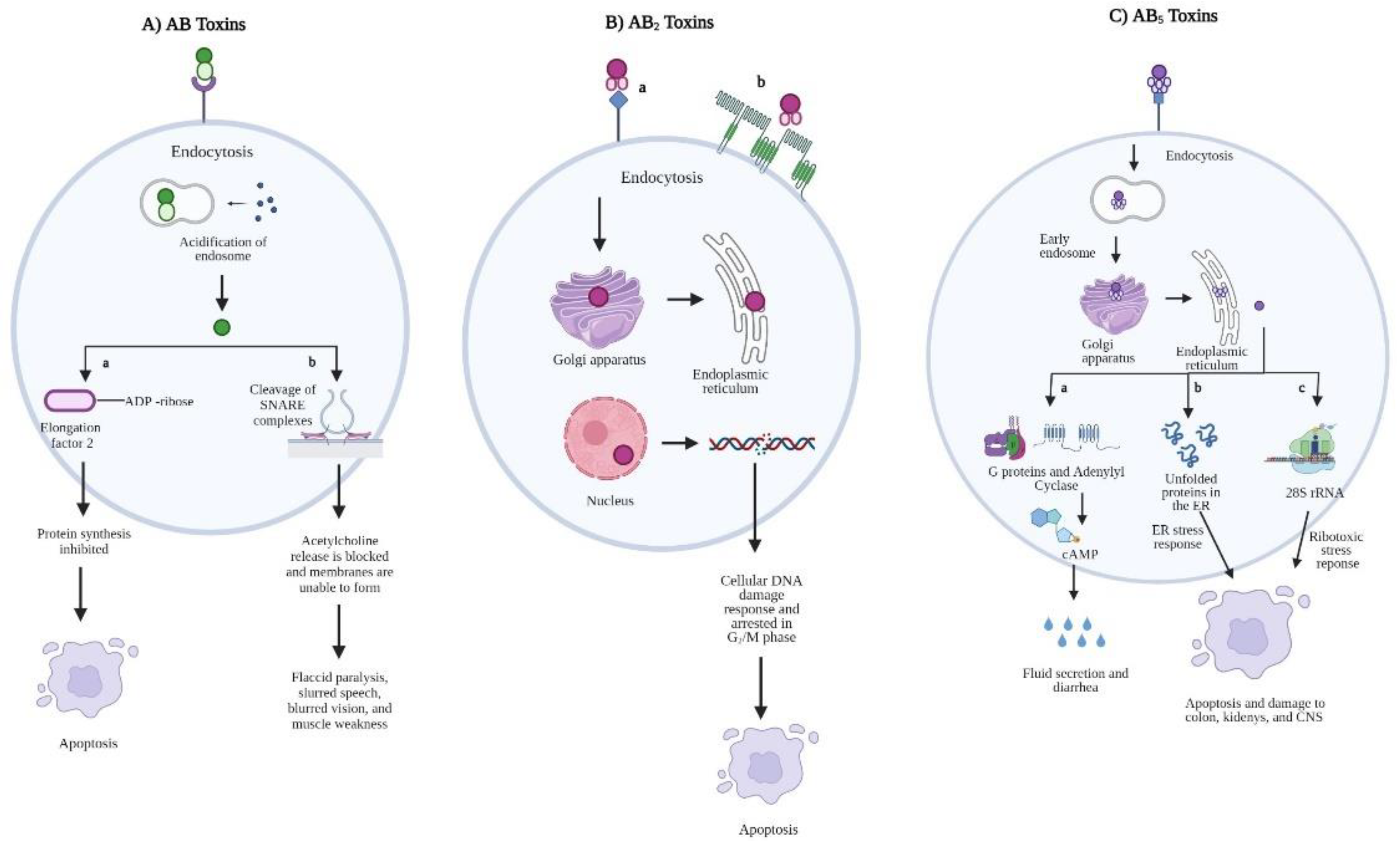
Toxins Free Full Text Ab5 Enterotoxin Mediated Pathogenesis Perspectives Gleaned From Shiga Toxins Html
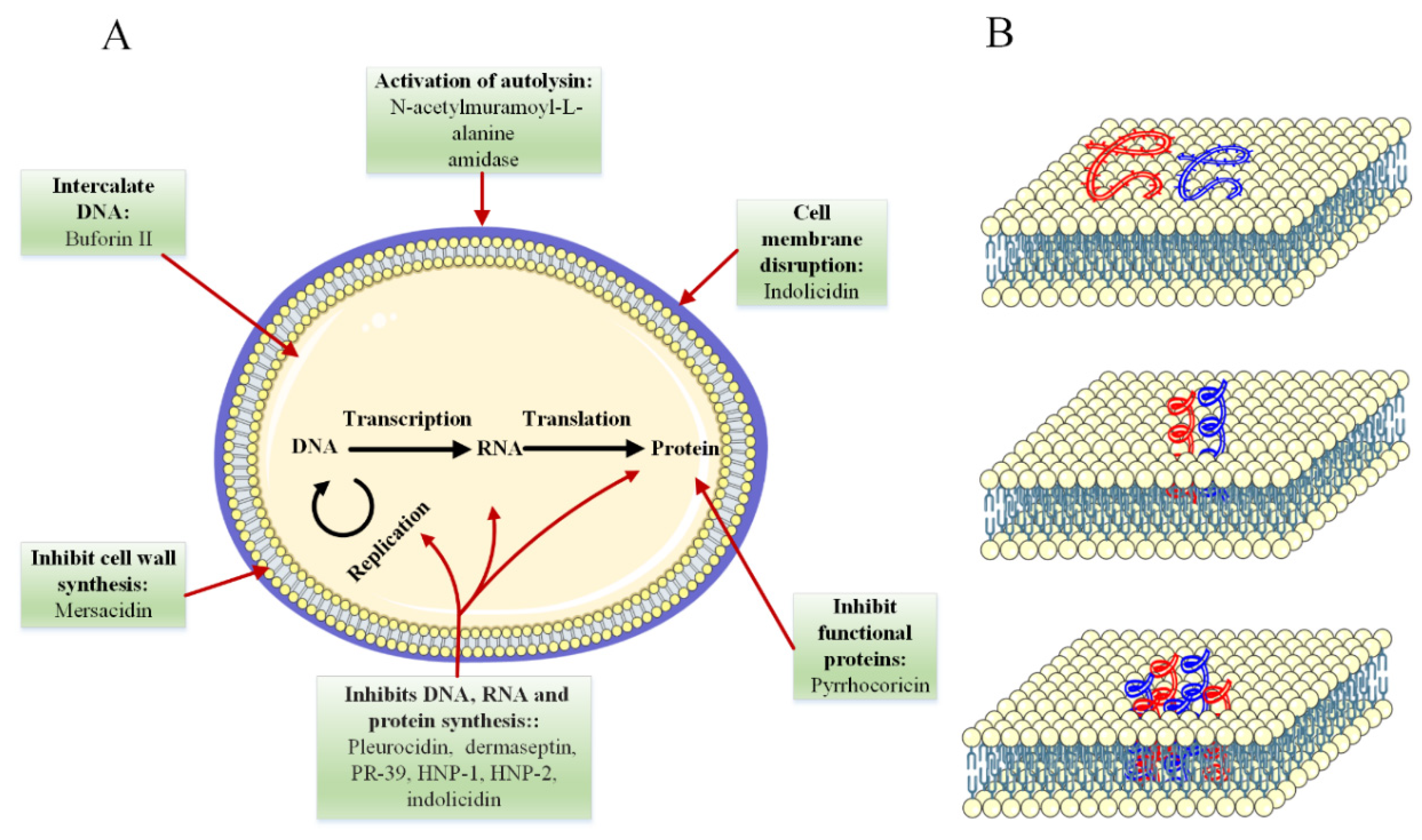
Ijms Free Full Text Bioactive Peptides Synthesis Sources Applications And Proposed Mechanisms Of Action Html
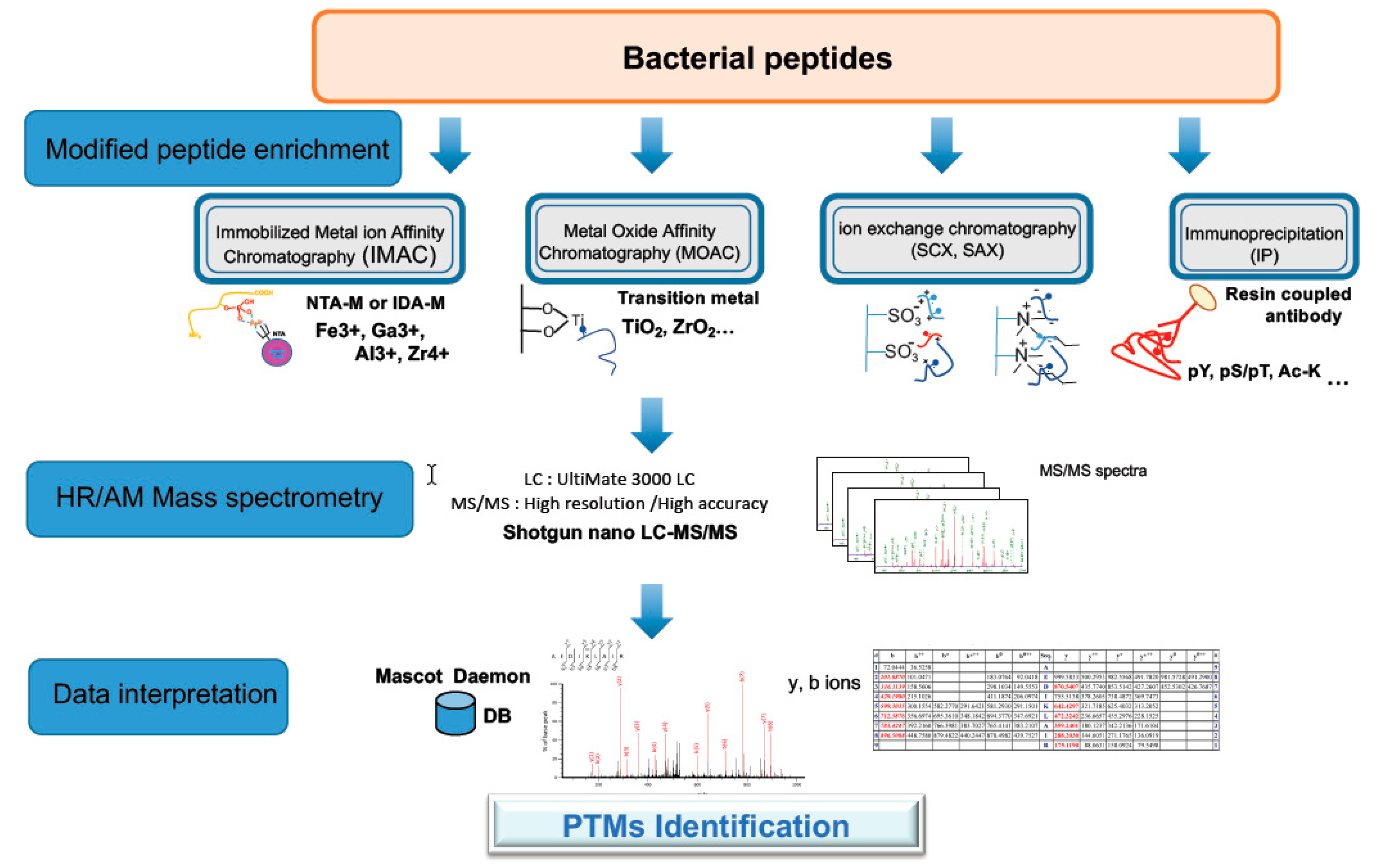
Toxins Free Full Text Advanced Proteomics As A Powerful Tool For Studying Toxins Of Human Bacterial Pathogens Html

Endospores Seen With An Endospore Stain Bacillus Subtilis Bacillus Microbiology


Comments
Post a Comment